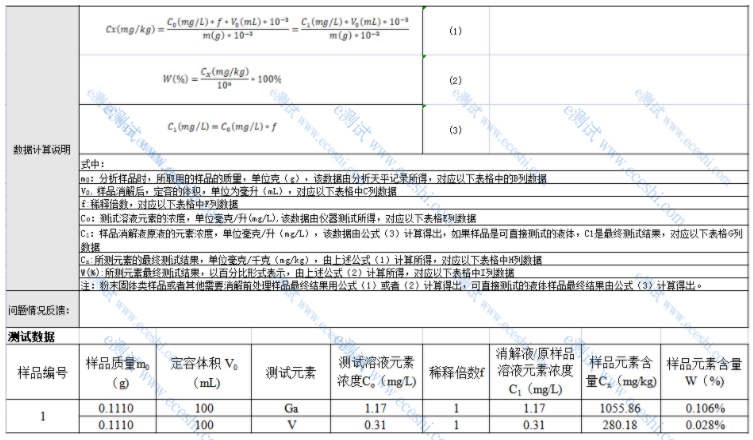
Depending on the sample and testing objectives, elemental analysis can determine major, minor, trace, and ultratrace elements. Commonly analyzed elements include carbon, hydrogen, nitrogen, oxygen, sulfur, silicon, aluminum, iron, copper, nickel, chromium, lead, and other metallic or non-metallic elements.
Elemental analysis is applicable to a broad range of materials, including: metals and alloys, semiconductor materials, battery materials, minerals and geological samples, chemical materials,polymers and plastics, ceramics and composite materials, environmental samples
Elemental Analysis Testing Services: qualitative elemental analysis, quantitative elemental analysis, trace element analysis, metallic impurity analysis, CHNS/O analysis, heavy metal analysis, alloy composition analysis
Common Instruments and Analytical Methods
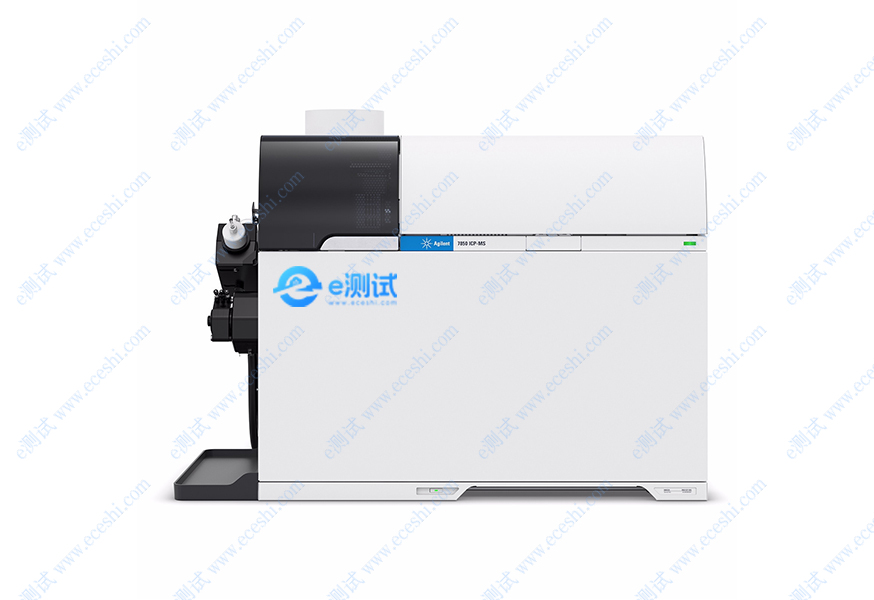
ICP-MS: Offers high sensitivity for trace and ultratrace elemental analysis.
ICP-OES: Enables multi-element analysis across a broad concentration range.
X-Ray Fluorescence (XRF): Provides rapid elemental screening and quantitative analysis of many solid materials.
Atomic Absorption Spectroscopy (AAS): Measures selected elements, particularly metals, in prepared samples.
Combustion Elemental Analyzers: Determine carbon, hydrogen, nitrogen, and sulfur in suitable materials.
Scanning Electron Microscopy with Energy-Dispersive X-Ray Spectroscopy (SEM-EDS): Provides localized elemental characterization and elemental mapping.