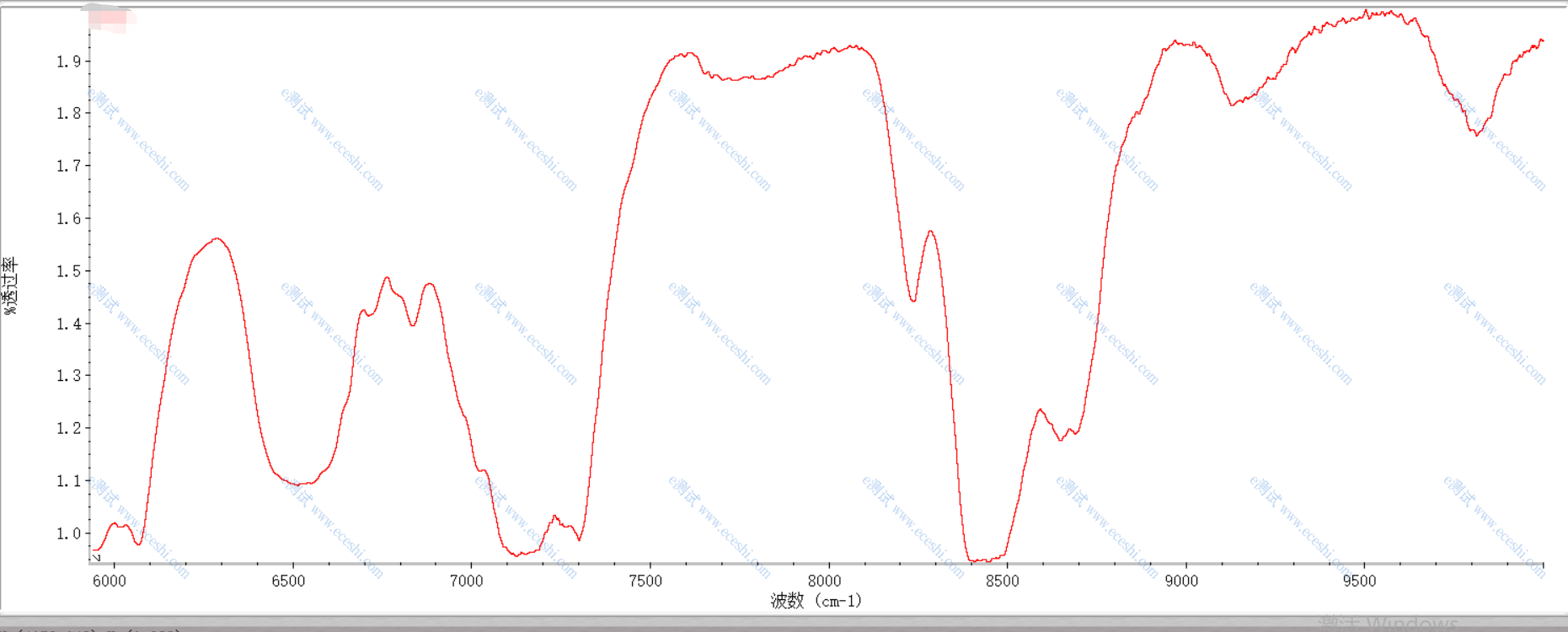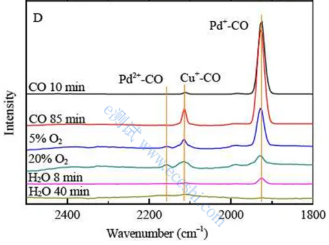
By analyzing these characteristic absorption peaks, scientists can identify chemical components, determine molecular structures, and evaluate changes in materials caused by processing, aging, or environmental conditions.
Infrared Spectroscopy Testing Capabilities : functional group identification, material identification, composition analysis,
contamination and failure analysis, aging and degradation studies
Infrared Spectroscopy Testing Materials, including:
1. Polymers and Plastics: Identification of polymer types, additives, degradation products, and contamination analysis.
2. Rubber and Elastomers: Characterization of rubber composition, curing effects, and aging mechanisms.
3. Chemical Materials: Analysis of organic compounds, functional groups, and chemical formulations.
4. Pharmaceuticals and Biotechnology Materials: Identification of active ingredients, excipients, and molecular structures.
5. Coatings and Paints: Evaluation of resin components, surface treatments, and coating degradation.
6. Fibers and Textiles: Identification of natural and synthetic fibers and analysis of chemical modifications.
7. Unknown Materials: Determination of unknown substances through spectral comparison and database matching.
Eceshi Infrared Spectroscopy Techniques:
Fourier Transform Infrared Spectroscopy (FTIR)
Attenuated Total Reflectance FTIR (ATR-FTIR)
Micro-FTIR Analysis
Near Infrared Spectrometer, NIR
Temperature-Dependent FTIR
In-situ FTIR Spectroscopy
FTIR-GC
GA-FTIR
Raman-FTIR