
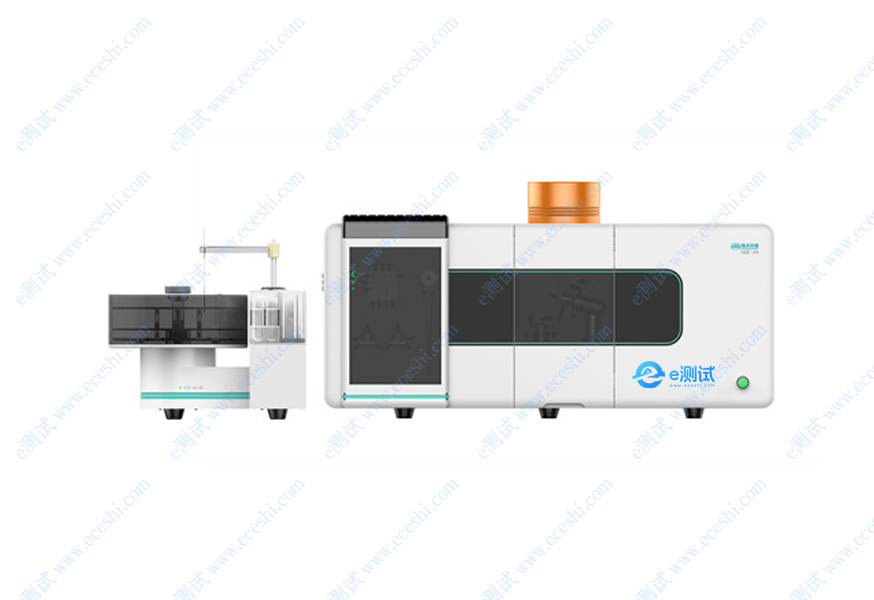
Principle of Atomic Fluorescence Spectrometry Analysis
During AFS analysis, the sample is first converted into free atoms through an atomization process. A specific light source excites these atoms, causing electrons to move to higher energy levels. When the excited atoms return to their ground state, fluorescence photons with characteristic wavelengths are emitted and detected by the optical system.
The intensity of the fluorescence signal is measured and compared with standard calibration solutions to determine the concentration of specific elements in the sample.
Applications of AFS Analysis
1. Environmental Testing
AFS is widely used for monitoring trace contaminants in environmental samples, including water, soil, sediments, and industrial wastewater. It is particularly effective for detecting toxic elements such as mercury and arsenic, supporting environmental safety assessment and regulatory compliance
2. Food Safety Testing
In food and agricultural product analysis, AFS helps determine harmful trace elements in grains, seafood, vegetables, beverages, and processed foods. Accurate detection of heavy metals ensures product safety and compliance with international quality standards.
3. Materials and Chemical Analysis
AFS analysis is applied in materials science and industrial research for elemental impurity analysis, raw material evaluation, and quality control. It can be used for testing metals, minerals, chemical products, and advanced functional materials.
4. Pharmaceutical and Biological Research
AFS provides reliable elemental analysis for pharmaceutical ingredients, biological samples, and medical products, helping researchers evaluate elemental impurities and ensure product quality.