
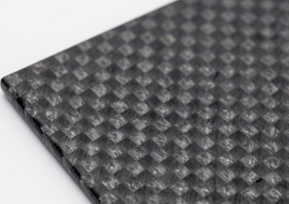
Carbon fiber is a high-performance reinforcement material known for its high strength-to-weight ratio, stiffness, low density, corrosion resistance, and excellent fatigue performance. It is widely used in aerospace, automotive, wind energy, sporting goods, marine engineering, pressure vessels, construction, and advanced composite applications.
Our Carbon Fiber Testing services provide comprehensive characterization of carbon fibers, carbon fiber tows, fabrics, prepregs, and carbon fiber-reinforced composite materials. We support research institutions, material manufacturers, composite producers, and engineering companies with customized testing solutions for both standard and advanced applications.
Carbon Fiber Testing is the systematic evaluation of the physical, chemical, mechanical, thermal, and surface properties of carbon fiber materials.
2.Carbon Fiber Tensile Testing
Tensile strength
Tensile modulus
Elongation at break
Breaking force
Stress-strain behavior
Fiber-to-fiber variation
Tensile testing can be performed on individual fibers, fiber bundles, or tows depending on the material and application.
3.Fiber Diameter and Morphology Analysis
Fiber diameter and surface morphology can influence mechanical properties, processing behavior, surface area, and fiber-matrix interaction.
Microscopy and image analysis can be used to evaluate:
Fiber diameter
Diameter distribution
Cross-sectional morphology
Surface morphology
Fiber defects
Surface damage
Fiber uniformity
Scanning Electron Microscopy (SEM) can provide detailed information about carbon fiber surfaces and fracture morphology.
4.Density and Linear Density Testing
Density and linear density are important parameters for carbon fiber manufacturing and quality control.
Testing may determine:
Fiber density
Linear density
Tex
Fiber count
Mass per unit length
These measurements can be used to characterize different carbon fiber grades and assess consistency between production batches.
5. Surface Chemistry and Surface Characterization
Carbon fiber surface properties strongly influence adhesion between the fiber and polymer matrix.
Surface characterization may include:
Surface morphology
Surface roughness
Surface functional groups
Surface energy
Wettability
Chemical composition
Analytical techniques may include:
FTIR spectroscopy
Raman spectroscopy
X-ray Photoelectron Spectroscopy (XPS)
SEM
Contact angle measurements
These analyses can help evaluate oxidation treatments, surface modification, coatings, and other fiber treatment processes.
Fiber-Matrix Interfacial Testing
The interface between carbon fiber and polymer matrix is critical to the performance of carbon fiber-reinforced composites.
Testing may evaluate:
Interfacial shear strength
Fiber-matrix adhesion
Fiber pull-out behavior
Surface treatment effects
Interfacial failure
Matrix compatibility
Interfacial characterization can help optimize fiber surface treatment, sizing formulations, and composite manufacturing processes.
6.Thermal Analysis
Carbon fiber and its surface treatments may be exposed to elevated temperatures during manufacturing or service.
Thermal testing may include:
Thermogravimetric Analysis (TGA)
Differential Scanning Calorimetry (DSC)
Thermal stability
Decomposition behavior
Oxidation behavior
Sizing decomposition
Thermal aging
Thermal analysis is particularly useful for studying carbon fiber surface treatments and determining the stability of carbon fiber materials under controlled conditions.
8. Electrical Conductivity Testing
Carbon fiber is electrically conductive, making electrical characterization important for applications involving electromagnetic shielding, lightning protection, electrical grounding, heating elements, and multifunctional composites.
Testing may evaluate:
Electrical resistivity
Volume resistivity
Surface resistivity
Electrical conductivity
Anisotropic conductivity
Electrical measurements can be performed on individual fibers, fiber bundles, fabrics, or composite materials depending on the application.
9. Fatigue and Durability Testing
Carbon fiber composites are frequently subjected to repeated mechanical loading during service.
Fatigue testing can evaluate:
Cyclic tensile performance
Fatigue life
Stiffness degradation
Strength retention
Crack initiation
Damage accumulation
Failure mechanisms
Fatigue testing is particularly relevant to aerospace structures, automotive components, wind turbine structures, sporting equipment, and other lightweight composite applications.
10. Environmental Aging Testing
Carbon fiber and carbon fiber composites may be exposed to temperature changes, moisture, chemicals, UV radiation, and other environmental conditions.
Environmental durability testing may include:
Thermal aging
Humidity aging
Water exposure
UV exposure
Thermal cycling
Chemical exposure
Salt spray
Combined environmental conditioning
Mechanical and physical properties can be measured before and after exposure to evaluate performance retention.
12. Fracture and Failure Analysis
When carbon fibers or carbon fiber composites fail unexpectedly, detailed failure analysis can help identify the underlying mechanisms.
Failure analysis may investigate:
Fiber breakage
Fiber pull-out
Delamination
Matrix cracking
Interfacial failure
Voids
Surface defects
Manufacturing defects
Fatigue damage
Environmental degradation
SEM and other microscopic and analytical techniques can be used to examine fracture surfaces and identify characteristic failure features.
Carbon Fiber Composite Testing
Carbon fibers are commonly used as reinforcement in polymer matrix composites. The properties of the final composite depend on both the carbon fiber and the matrix system.
Carbon fiber-reinforced polymer (CFRP) testing may include:
Tensile strength
Tensile modulus
Flexural strength
Flexural modulus
Compressive strength
Interlaminar shear strength
Short-beam shear
Impact resistance
Fatigue performance
Fracture toughness
Delamination resistance
Fiber volume fraction
Void content
Fiber orientation
Thermal expansion
Microscopy and material characterization can also be used to evaluate fiber distribution, matrix adhesion, voids, and composite failure mechanisms.