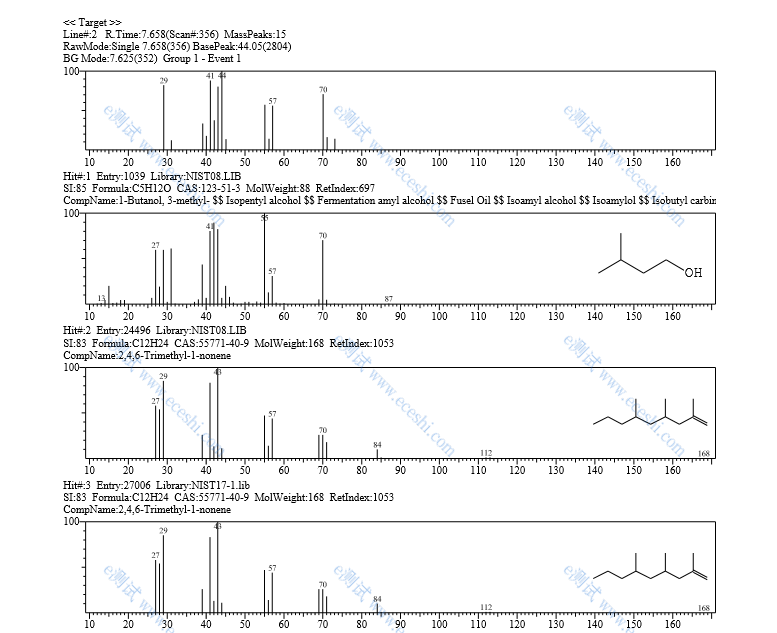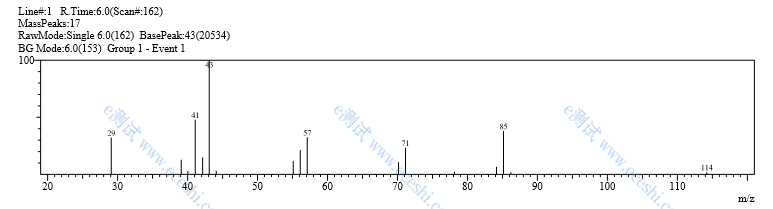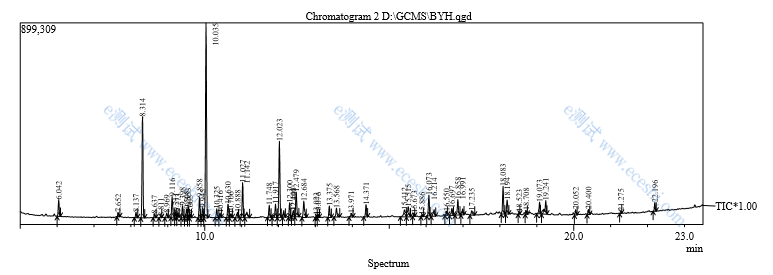
With advanced instrument platforms and optimized analytical methods, Mass Spectrometry Testing can achieve extremely high sensitivity and is capable of detecting trace-level components in complex samples.
Mass Spectrometry Testing Capabilities: Molecular Weight Determination, Qualitative Compound Identification, Quantitative Analysis, Structural Characterization, Trace Element and Impurity Detection, Failure Analysis and Material Characterization
Mass Spectrometry analysis sample types, including:
1. Organic Compounds: Identification of chemical structures, molecular weight analysis, and impurity detection.
2. Pharmaceuticals and Biomolecules: Analysis of active ingredients, metabolites, proteins, peptides, and drug-related compounds.
3. Polymers and Advanced Materials: Characterization of additives, degradation products, and chemical components.
4. Environmental Samples: Detection of pollutants, organic contaminants, and trace substances in water, soil, and air samples.
5. Chemical Products: Composition analysis, purity evaluation, and unknown compound identification.
6. Biological Samples: Analysis of proteins, lipids, nucleic acids, and other biological molecules.
7. Nanomaterials and Functional Materials: Molecular characterization and surface-related chemical analysis.
Eceshi Mass Spectrometry Techniques:
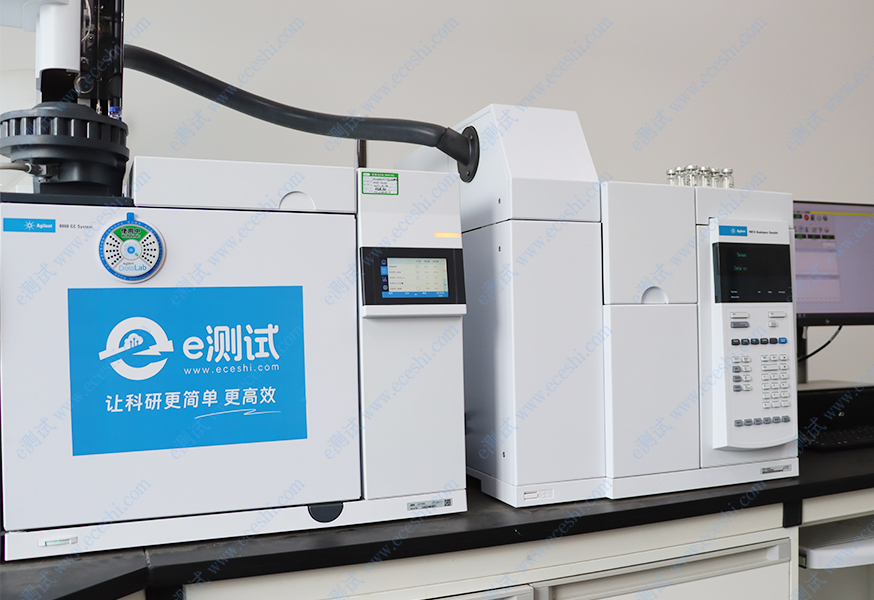
Gas Chromatography-Mass Spectrometry (GC-MS)
Liquid Chromatography-Mass Spectrometry (LC-MS)
Inductively Coupled Plasma Mass Spectrometry (ICP-MS)
Time-of-Flight Mass Spectrometry (TOF-MS)
Secondary Ion Mass Spectrometry (SIMS)
As a leading analytical technology, Mass Spectrometry continues to support innovation in advanced materials, biotechnology, pharmaceuticals, electronics, and other high-tech industries.