
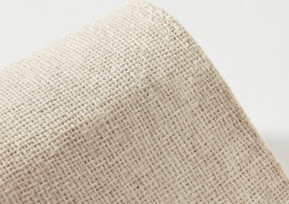
Textiles are widely used in apparel, home furnishings, automotive interiors, medical products, protective clothing, construction materials, filtration systems, and other industrial applications. The quality and performance of textile materials can directly affect product durability, comfort, safety, and service life.
Our Textile Testing services provide comprehensive evaluation of fibers, yarns, fabrics, garments, nonwoven materials, and technical textiles. We support manufacturers, brands, research institutions, and product developers with reliable testing data for quality control, product development, regulatory compliance, material selection, and failure analysis.
Textile Testing Services
1.Fiber Identification and Composition Analysis
Analytical techniques may include microscopy, FTIR spectroscopy, Raman spectroscopy, thermal analysis, and chemical composition analysis.
2.Tensile Strength and Elongation
Tensile testing evaluates the ability of textile materials to withstand mechanical loads before failure.
Testing can determine:
Breaking strength Tensile strength Elongation at break Force at specified elongation Stress-strain behavior Both woven and knitted fabrics can be evaluated using appropriate strip, grab, or other application-specific methods.
3.Colorfastness Testing
Colorfastness is an essential performance characteristic for dyed and printed textiles. Testing may evaluate color change and staining after exposure to: Washing Dry cleaning Water Perspiration Rubbing Light Chlorine Non-chlorine bleach Heat Other environmental conditions
Textile performance specifications can include colorfastness requirements for laundering, perspiration, crocking, dry cleaning, and light exposure.
4.Water Resistance and Moisture Management
Textile products may require different levels of water resistance, absorbency, or moisture transport depending on their intended application.
Testing may include:
Water absorption Surface wetting Spray rating Hydrostatic pressure Water penetration Moisture wicking Drying behavior
Thermal Performance Testing
Thermal properties are important for clothing, insulation, protective textiles, bedding, outdoor products, and technical fabrics.
Testing may evaluate:
Thermal resistance Thermal conductivity Thermal insulation Heat transfer Thermal stability Temperature resistance
Specialized testing can also be designed for thermal barrier materials and high-temperature textile applications.
Flammability and Flame Resistance Testing
Fire performance is critical for protective clothing, transportation textiles, furnishings, construction materials, and other applications where ignition and flame behavior are important.
Testing may evaluate:
Ignition characteristics Flame spread Burning rate Afterflame time Afterglow Flame resistance
ASTM provides textile flammability methods including D1230 for apparel textiles and D6413 for vertical flame resistance testing. The applicable method depends on the textile product and intended use.
Chemical and Environmental Resistance
Textiles may be exposed to detergents, oils, solvents, acids, alkalis, perspiration, moisture, UV radiation, and other environmental conditions.
Testing can evaluate changes in:
Strength Color Appearance Weight Dimensional stability Surface condition Chemical composition
Environmental durability testing can help determine whether textile materials can maintain their required performance during long-term use.