
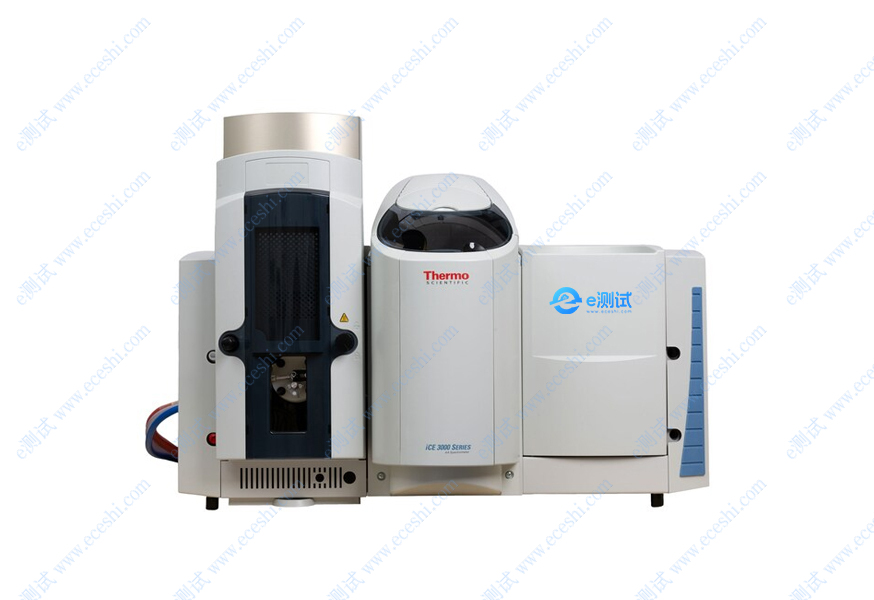
AAS is widely used in materials science, environmental monitoring, chemical manufacturing, metallurgy, food testing, and pharmaceutical analysis. It is valued for its selectivity, reliability, and suitability for measuring metallic elements at low concentrations.
AAS testing can be applied to a wide range of samples following appropriate preparation: metals and alloys, minerals and geological samples, battery materials, chemical reagents, environmental samples, food and agricultural products, pharmaceutical materials ceramics and polymers
AAS Testing Services:
Heavy Metal Analysis: Determines the concentrations of selected elements, such as lead, cadmium, copper, and zinc, depending on the method and sample matrix.
Trace Metal Analysis: Measures low concentrations of metallic elements to support contamination monitoring and material quality assessment.
Elemental Composition Analysis: Quantifies selected metals in raw materials, alloys, and industrial products.
Metallic Impurity Testing: Evaluates trace metal contamination in chemicals, electronic materials, and high-purity substances.
Environmental Metal Testing: Measures selected metals in environmental samples to support monitoring and regulatory assessments.
AAS testing can be tailored to different sample types and analytical objectives.
