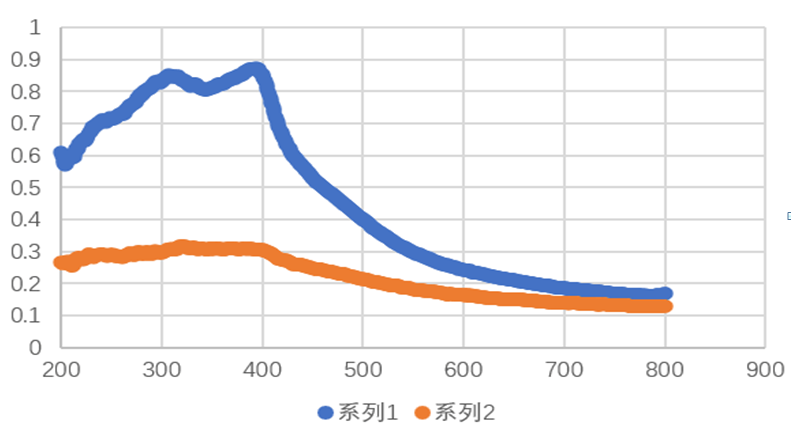
By analyzing the absorption intensity and wavelength position, UV spectroscopy can determine the presence of specific chemical groups, measure substance concentration, and evaluate changes in material structure.
UV Spectroscopy Testing Capabilities: UV Absorption Spectrum Analysis, Quantitative Concentration Analysis, Chemical Structure Characterization, Optical Property Evaluation, UV Aging and Stability Assessment
UV Spectrum Testing Materials, including:
1. Chemical Compounds: Identification and quantitative analysis of organic compounds, dyes, pigments, and chemical solutions.
2. Pharmaceutical Materials: Determination of active ingredients, concentration measurement, and quality control of pharmaceutical products.
3. Polymers and Plastics: Evaluation of additives, degradation products, and UV aging behavior.
4. Coatings and Inks: Analysis of pigments, optical properties, and coating performance.
5. Nanomaterials: Characterization of nanoparticles, quantum dots, and advanced functional materials.
6. Environmental Samples: Detection of pollutants, organic compounds, and water quality parameters.
7. Biological Samples: Analysis of proteins, nucleic acids, and biomolecules.
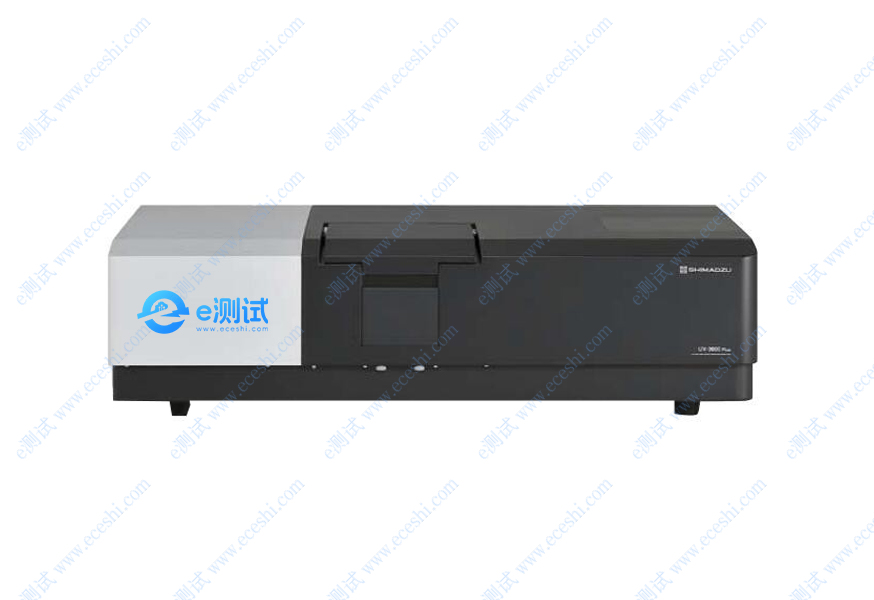
Ultraviolet Spectrum (UV) Testing is an effective analytical method for optical characterization, chemical identification, and quantitative analysis. With advanced UV-Visible spectrophotometers and professional testing expertise, UV spectroscopy provides reliable data for material development, product verification, and scientific research.
From chemical analysis to advanced materials characterization, UV Spectroscopy Testing continues to support innovation and quality improvement across a wide range of industries.