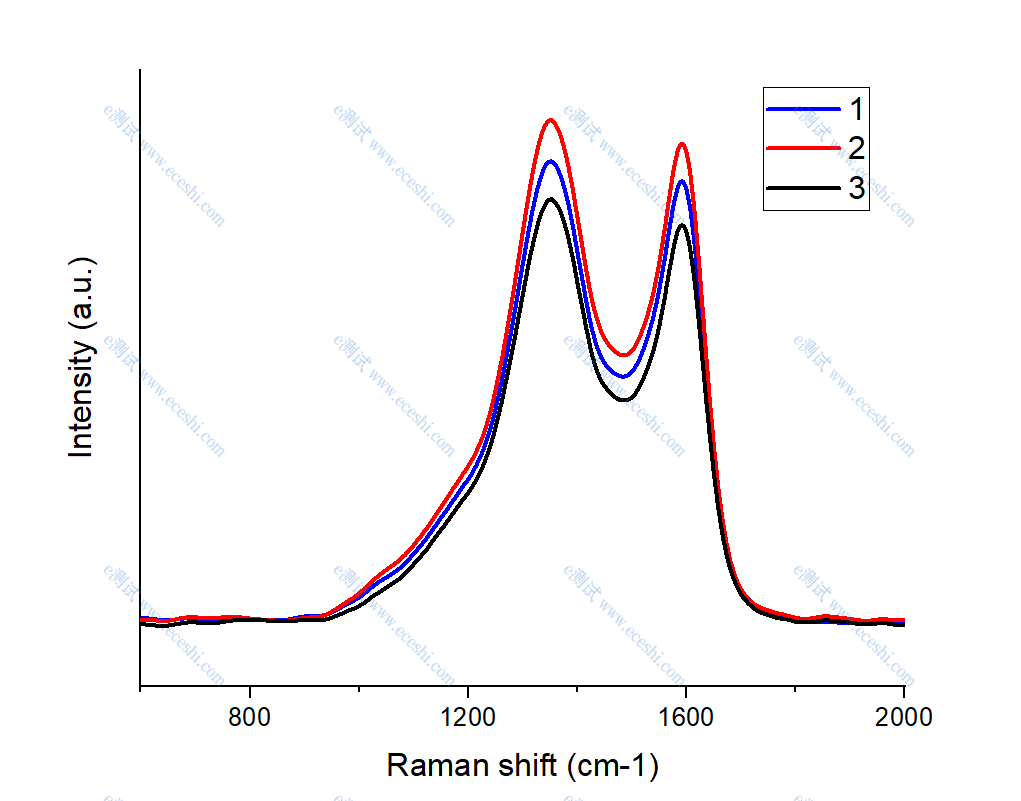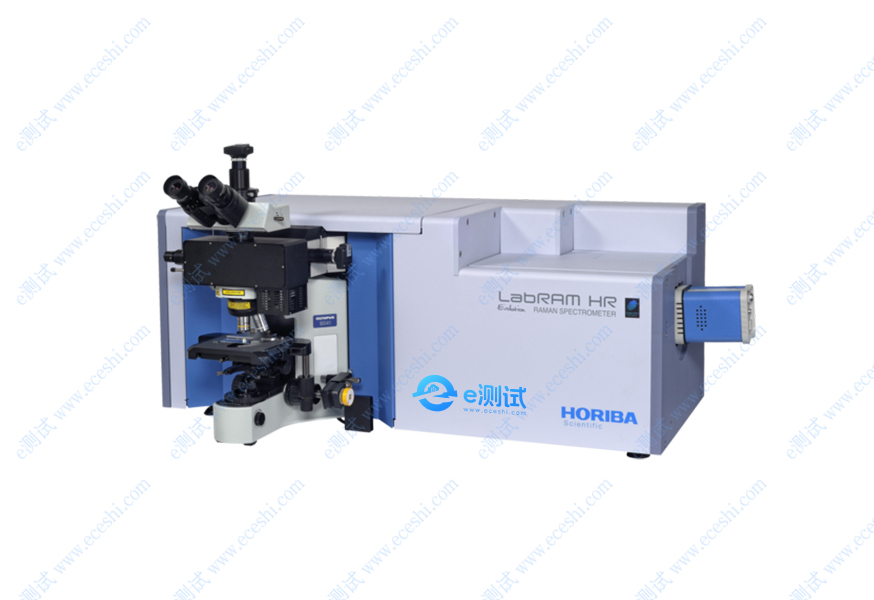
As a non-destructive and highly sensitive characterization method, Raman Spectroscopy Testing is widely used in materials science, nanotechnology, pharmaceuticals, semiconductors, energy storage, life sciences, and industrial quality control. It enables researchers and engineers to understand material properties, identify unknown substances, and optimize product performance.
Raman Spectroscopy Testing Capabilities: Molecular Structure Identification, Material Identification and Verification, Crystal Structure Analysis, Stress and Strain Analysis, Phase Identification, Defect and Quality Evaluation
Raman Spectroscopy Testing materials, including:
1. Advanced Materials: Characterization of graphene, carbon materials, nanomaterials, and functional materials.
2. Semiconductors and Electronic Materials: Analysis of silicon, semiconductor compounds, defects, stress distribution, and thin films.
3. Battery Materials: Investigation of cathode materials, anode materials, solid electrolytes, and degradation mechanisms.
4. Polymers and Plastics: Identification of polymer structures, additives, and material aging behavior.
5. Pharmaceuticals and Chemicals: Molecular identification, composition analysis, and quality control.
6. Minerals and Geological Samples: Crystal structure analysis and mineral identification.
7. Biological Samples: Characterization of biomolecules, cells, and biological structures.
Eceshi Raman Spectroscopy Techniques: Confocal Raman Spectroscopy, Micro-Raman Spectroscopy, Surface-Enhanced Raman Spectroscopy (SERS), In-Situ Raman Spectroscopy, Raman Mapping
From fundamental research to industrial applications, Raman Spectroscopy continues to play a critical role in accelerating the development of advanced materials, electronics, energy technologies, and life science solutions.